
I was going to flip out about Mongolia but then I remembered the bizarre alien planet that is Central WA.
-
-

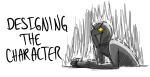



the suffering never ends
This is the real process
Resources for you!
Character Ideas:
- Character creation masterpost
- Character Alignment Chart
- More character alignment descriptions
- Muslim Character questions
- Characters with magical powers
- Building a new character advice
- How to create a character for an online or tabletop RPG (also a good guide on creating characters in general)
- Royalty/nobility TV Tropes page
- Basic character profile
- OC masterpost
- Random character generators – (1), (2), (3), (4)
- D&D Character Building Tool
Character Design Ideas:
- How clothing affects a character’s personality
- Character Design Inspiration blog
- Concept art, fan art, cool art to be inspired by
- Character design references and inspiration
- Sources for POC character design ideas and models
- Create your own character model using HeroForge
- For horned characters
- Body and hair types guide
- Random outfit generator
Naming Help:
- Amazing site with an endless amount of naming resources
- General advice on avoiding naming appropriation
- Hispanic Surnames
- Gothic Victorian names
- Huge master list for character things in general
- Masterlist of names of all types – including but not limited to ancient/old world names, Celtic, African, Northern European, Southern and Central American Native names, Japanese, Chinese, Mongolian, Polynesian, and more
- Another name masterlist
- How to pick a character name guide
- Yet another names masterlist
Creating Background/backstory:
- Character Sheet/Development Sheet
- Another character development list
- In-depth character personality, motivations and traits sheet
- 320 talents and passions for characters
- On writing likes and dislikes that aren’t frivolous
- Why you should write non-human characters non-conforming to the gender binary
- Stereotypes, tropes, and archetypes
- Random backstory generator
- Assassin and thief character tropes to avoid
Character Interactions and putting your character into your world/story:
- Comparing character height/height references
- Characters who are scientists and writing about them doing science
- Describing what different voices sound like
- Describing skin tones
- Writing friendship interactions that are platonic
- Why having one character knock their friend unconscious to prevent them from doing something is a bad idea
- Advice on shipping OCs with canon characters and what to avoid doing
- Sweet Polly Oliver and Sweet on Polly Oliver situations (think of Disney’s Mulan for an example)
- How to write multiple viewpoints/juggling a main cast of more than 4 to 6 characters
- How to make readers care about your morally gray hero/anti-hero
- On platonic OC and canon character relationships
- How to avoid Godmodding in RPs
- When it’s cheap to kill off a character
- Writing dialogue
- Things you shouldn’t do to canon characters
- Avoiding purple prose in writing and RPs
- Slang resources
- Dialogue tips
- Websites to chart your story/plot/character relationships
BLESS EVERYONE IN THIS POST.
-
-
-
Air/Wind
- Aerokinesis -manipulate the air, wind, and gas.
- Aeroportation – teleport using air/wind currents.
- Air Mimicry – transform into a cloud of gas, fog, or mist.
- Atmokinesis – manipulate the weather by mixing water, fire, earth, air, and lightning/electricity.
- Deoxygenation – suck up all the oxygen from a place.
- Lung Adaptation – breath anywhere
- Wind Generation – create blasts of air.
- Divine Winds Manipulation – create and control heavenly winds.
- Dark Wind Manipulation – create and control eerie winds.
Earth
- Geokinesis – control, manipulate, and reshape the earth at will.
- Atmokinesis – control and manipulate the weather by mixing water, fire, earth, air, and lightning/electricity.
- Crystallokinesis – manipulate minerals and crystals.
- Ferrokinesis… manipulate metal at will.
- Fraxikinesis – manipulate burnt matter.
- Geo-Thermokinesis – manipulate, control, and create lava, magma and volcanoes.
- Golem Creation – make golems out of inanimate materials like rocks, wood, plants, magma, etc.
- Granulation… can turn things into sand.
- Halokinesis – control and manipulate salt.
- Hyalokinesis – control and manipulate glass.
- Koniokinesis – manipulate and control dust particles.
- Plassikinesis – manipulate and control all forms of plastic.
- Psammokinesis – can control and manipulate sand.
- Terrakinesis – control, manipulate and alter/reshape the surrounding terrain and landscape at will.
- Terraportation – teleport via the earth and earth-based materials.
- Sacred Earth Manipulation – Create, manipulate, control, reshape divine earth minerals.
- Black Earth Manipulation – Create, manipulate and control tainted and evil earth minerals.
Fire
- Pyrokinesis – create, control and manipulate fire, flame and heat.
- Atmokinesis – control and manipulate the weather by mixing water, fire, earth, air, and lightning/electricity.
- Fire Breath – breathe out flames.
- Geo-Thermokinesis – manipulate lava, magma and volcanoes.
- Heliokinesis – manipulate and control the sun and sunlight.
- Hell-Fire Manipulation – Generate and control flames of hell.
- Holy Fire Manipulation – Generate and control flames of Heaven.
- Inflammation – burn things.
- Melting – heat molecules to melt things.
- Plasmakinesis – can control plasma.
- Pyrotechnics – create fireworks.
- Self-Detonation – explode self and reform.
- Thermokinesis – create, control and manipulate heat.
Water
- Hydrokinesis – manipulate and control liquid water and mold it into any desired shape or form.
- Aquatic Adaptation – adapted to underwater living.
- Aquatic Respiration – breathe underwater.
- Atmokinesis– control and manipulate the various aspects of the weather by mixing water, fire, earth, air, and lightning/electricity.
- Dehydration – absorb water.
- Hydroportation – teleport across short or long distances through liquid water.
- Water Mimicry – turn into liquid water.
- Holy Water Manipulation – create, manipulate and control graceful waters.
- Dark Water Manipulation – create, manipulate and control evil and dangerous waters.
Darkness
- Umbrakinesis – can manipulate and control darkness or shadows.
- Animated Shadow – Animate one’s shadow.
- Light Absorption – block out light in an area.
- Night Vision – see in the dark.
- Sacred Darkness – create holy darkness.
- Shadow Camouflage – be unseen in shadows.
- Shadow Mimicry – become a shadow.
- Umbrageous Teleportation – teleport via the shadows and darkness.
Electricity/Lightning
- Quintessence Force -Can generate whitish-blue lightning that also contains pure life energy.
- Electrokinesis – control, generate or absorb electric fields and shoot lightning bolts.
- Activation & Deactivation – turn stuff on and off.
- Positron Manipulation – control positrons, the antimatter counterpart to electrons.
- Electrical Absorption – absorb electricity.
- Electric Mimicry -transform entire body into a lightning-like being of pure electrical energy
- Electrical Transportation – teleport with lightning.
- Divine Lightning Manipulation – create and control the brightest lightning.
- Black Lightning Manipulation – create and control the darkest lightning.
Energy
- Dynamokinesis – manipulate existing energy.
- Energy Blast – create blasts of energy.
- Energy Emission – release energy.
- Quintessence Force – create and manipulate unique form of electrical and life energy.
- Mana Manipulation
- Chi Manipulation
- Electricity Manipulation
- Energy Manipulation
Ice
- Cryokinesis – control ice, snow and other forms of frozen water.
- Freeze Breath – freeze things in solid ice.
- Freezing – lower the temperature in kinetic atoms to freezing temperatures.
- Frigokinesis – control snow either as precipitation or already on the ground.
- Ice Beam – shoot beams of freezing energy.
- Ice Generation
Light
- Dark Light Manipulation – create the darkest light in existence.
- White Light Manipulation– create sacred light from the divine.
- Photokinesis – create and manipulate pure light.
- Force-Field Generation – create protective shields of solid photons.
- Invisibility – be unseen.
- Laser Emission – bend light wavelengths to create lasers.
- Light Absorption -absorb the light around you.
- Light Generation – emit blinding light or glow in the dark.
- Light Mimicry – take on the traits of light.
- Photoportation – Teleport by using photons.
- Projective Invisibility – turn other things invisible.
- Evil Banish – Rid and banish all spirits of evil and black magic.
- Light Manipulation
Weather
- Atmokinesis – manipulate the various aspects of the weather by using water, fire, earth, air, and lightning/electricity.
- Atmokinetic Resistance – immunity to all weather-based abilities and effects.
- Atmokinetic Sensing – sense the future weather patterns.
Other
- Aether Manipulation
- Cosmic Manipulation
- Gravity Manipulation
- Nether Manipulation
- Space-Time Manipulation
From Superpower Wikia. See their complete list of superpowers HERE.
-
Hello, hello, hello builders! It’s… May, but soon it will be June! That means we will all gather together and drag our friends kicking and screaming into World Building June! The annual event where we build worlds! I say it every year, but I’ll say it some more just in case you’re hearing this for the first time or are just forgetful like I am: This is the month where you take a world that’s been swimming around in your head and commit it to paper/data/paint/graphite/digital format/.txt/.sai/.psd/stone tablet so you can stop making excuses why you can’t show your great project to the world, or to curious friends.
Let me break things down bit by bit so I don’t lose anyone in my increasingly intricate flourishes.
What is World Building June?
World building June is a month-long challenge to simply build every day. What does building entail? It can mean a lot, but the main criteria is you’re creating content for your world, which is tangible and presentable. So, while you can definitely go into a deep meditative state regarding your world, be sure to keep a journal nearby to jot down your revelations on.
Miss a day? No problem, keep building. Miss a week? No problem, keep building. Only write down a single word? Keep building. Only draw a stick figure? Keep building. Only hear about World Building June on June 30th? Keep building into July. There is no way to lose, there are only ways to build. I literally want as many people building as humanly possible.
If you feel comfortable with it, it’d definitely be great to see your posts show up on the tag #worldbuildingjune and everyone is encouraged to show each other support, especially each Wednesday during June, where you’re encouraged to reach out and send an ask to a neat world builder about their world on World Building Wednesday.
Where do I start?
The journey of a thousand miles starts with one step, so start where you feel the most passion about writing or drawing and expand out from there. Once you have a good momentum, then expand out.
Words are cheap though, but I’ve got plenty. Every year I release an updated list of world building prompts. Different elements that help create building blocks in your world. They range from determining the geography of your world, to the items that your average traveler has in their backpack. Answering these simple prompts (30 in all) will get you many steps closer to the completion of your world, and will hopefully lay down a solid foundation.
You can find a list of prompts here!
I’ll be creating articles detailing the prompts to provide inspiration and some possible resources to share to help you fill them out on the respective days they fall on during the month.
Whoa, hey! I’ve finished lots of similar prompts from you, I need some real fire under my butt!
Admittedly the prompt list can only be freshened up so much. I can’t come up with a new list each year full of fresh content. I’d at this point be scraping the bottom of the barrel and coming up with super obscure prompts.
This year I thought I’d try to give a more serious challenge for the veterans who’ve completed previous years of World Building June and those who are rolling into this event who need a goal to chase.
This year we have the Master Builder Challenge!
It’s not as flashy as I’m leading on, but it creates a bottom line to chase and exceed. This challenge is to create at least 500 words (2 pages), 1 finished illustration, or 2 pages filled with 2 world building related sketches each day. You can of course exceed these numbers, and create a mix of these mediums to create a full article of world building each of these days, but as long as you keep up this momentum for 30 days, you’ll most likely feel like an building machine by the end!
For the master challenge it’s a bit more strict that you have to create a total that equals or exceeds these perameters, so 30 illustrations, or 60 pages of text/sketches, or a mix of these. Momentum is also important so you should catch up on a missed day as soon as you have a much more open day to build on.
The prize for completing this challenge is to be dubbed a master builder, truly a deity among your friends who is now pulsing with world building power.
Sounds rad!
You bet! This challenge has been my pride and joy every year. I’ve had hard years where I’ve been in a bad place but I’ve wanted to make sure i delivered on World Building June regardless because the response from fellow builders is amazing. There’s over 1,300 of you following this account and I have a feeling like you’ll all shatter my hopes and expectations again this year with stellar turnouts. This is my passion and it means so much to me to get people hyped for it for a whole month.
Share this post, tell your friends, convince that one friend who’s been dragging their feet forever, convince that friend who doesn’t feel they’re good enough to participate, they deserve to build the most, because building can take small sums and make them a large whole. All those bricks they lay down will be a castle, and beyond that, a world.
Most of all, above all else, without any reservation, and without any reluctance, I want you to promise you’ll do one thing, and that’s to….
GET BUILDING!
-

Writing with Color: Description Guide – Words for Skin Tone
We discussed the issues describing People of Color by means of food in Part I of this guide, which brought rise to even more questions, mostly along the lines of “So, if food’s not an option, what can I use?” Well, I was just getting to that!
This final portion focuses on describing skin tone, with photo and passage examples provided throughout. I hope to cover everything from the use of straight-forward description to the more creatively-inclined, keeping in mind the questions we’ve received on this topic.
So let’s get to it.
S T A N D A R D D E S C R I P T I O N
B a s i c C o l o r s

Pictured above: Black, Brown, Beige, White, Pink.
“She had brown skin.”
- This is a perfectly fine description that, while not providing the most detail, works well and will never become cliché.
- Describing characters’ skin as simply brown or beige works on its own, though it’s not particularly telling just from the range in brown alone.
C o m p l e x C o l o r s
These are more rarely used words that actually “mean” their color. Some of these have multiple meanings, so you’ll want to look into those to determine what other associations a word might have.

Pictured above: Umber, Sepia, Ochre, Russet, Terra-cotta, Gold, Tawny, Taupe, Khaki, Fawn.
-
Complex colors work well alone, though often pair well with a basic color in regards to narrowing down shade/tone.
For example: Golden brown, russet brown, tawny beige…
- As some of these are on the “rare” side, sliding in a definition of the word within the sentence itself may help readers who are unfamiliar with the term visualize the color without seeking a dictionary.
“He was tall and slim, his skin a russet, reddish-brown.”
- Comparisons to familiar colors or visuals are also helpful:
“His skin was an ochre color, much like the mellow-brown light that bathed the forest.”
M o d i f i e r s
Modifiers, often adjectives, make partial changes to a word.The following words are descriptors in reference to skin tone.
D a r k – D e e p – R i c h – C o o l
W a r m – M e d i u m – T a n
F a i r – L i g h t – P a l e
Rich Black, Dark brown, Warm beige, Pale pink…
If you’re looking to get more specific than “brown,” modifiers narrow down shade further.
- Keep in mind that these modifiers are not exactly colors.
- As an already brown-skinned person, I get tan from a lot of sun and resultingly become a darker, deeper brown. I turn a pale, more yellow-brown in the winter.
- While best used in combination with a color, I suppose words like “tan” “fair” and “light” do work alone; just note that tan is less likely to be taken for “naturally tan” and much more likely a tanned White person.
- Calling someone “dark” as description on its own is offensive to some and also ambiguous. (See: Describing Skin as Dark)
U n d e r t o n e s
Undertones are the colors beneath the skin, seeing as skin isn’t just one even color but has more subdued tones within the dominating palette.

- Mentioning the undertones within a character’s skin is an even more precise way to denote skin tone.
- As shown, there’s a difference between say, brown skin with warm orange-red undertones (Kelly Rowland) and brown skin with cool, jewel undertones (Rutina Wesley).
“A dazzling smile revealed the bronze glow at her cheeks.”
“He always looked as if he’d ran a mile, a constant tinge of pink under his tawny skin.”
Standard Description Passage
“Farah’s skin, always fawn, had burned and freckled under the summer’s sun. Even at the cusp of autumn, an uneven tan clung to her skin like burrs. So unlike the smooth, red-brown ochre of her mother, which the sun had richened to a blessing.”
-From my story “Where Summer Ends” featured in Strange Little Girls
- Here the state of skin also gives insight on character.
- Note my use of “fawn” in regards to multiple meaning and association. While fawn is a color, it’s also a small, timid deer, which describes this very traumatized character of mine perfectly.
Though I use standard descriptions of skin tone more in my writing, at the same time I’m no stranger to creative descriptions, and do enjoy the occasional artsy detail of a character.
C R E A T I V E D E S C R I P T I O N
Whether compared to night-cast rivers or day’s first light…I actually enjoy seeing Characters of Colors dressed in artful detail.
I’ve read loads of descriptions in my day of white characters and their “smooth rose-tinged ivory skin”, while the PoC, if there, are reduced to something from a candy bowl or a Starbucks drink, so to actually read of PoC described in lavish detail can be somewhat of a treat.
Still, be mindful when you get creative with your character descriptions. Too many frills can become purple-prose–like, so do what feels right for your writing when and where.
Not every character or scene warrants a creative description, either. Especially if they’re not even a secondary character.
Using a combination of color descriptions from standard to creative is probably a better method than straight creative. But again, do what’s good for your tale.
N A T U R AL S E T T I N G S – S K Y

Pictured above: Harvest Moon -Twilight, Fall/Autumn Leaves, Clay, Desert/Sahara, Sunlight – Sunrise – Sunset – Afterglow – Dawn- Day- Daybreak, Field – Prairie – Wheat, Mountain/Cliff, Beach/Sand/Straw/Hay.
- Now before you run off to compare your heroine’s skin to the harvest moon or a cliff side, think about the associations to your words.
- When I think cliff, I think of jagged, perilous, rough. I hear sand and picture grainy, yet smooth. Calm. mellow.
- So consider your character and what you see fit to compare them too.
- Also consider whose perspective you’re describing them from. Someone describing a person they revere or admire may have a more pleasant, loftier description than someone who can’t stand the person.
“Her face was like the fire-gold glow of dawn, lifting my gaze, drawing me in.”
“She had a sandy complexion, smooth and tawny.”
- Even creative descriptions tend to draw help from your standard words.
F L O W E R S

Pictured above: Calla lilies, Western Coneflower, Hazel Fay, Hibiscus, Freesia, Rose
- It was a bit difficult to find flowers to my liking that didn’t have a 20 character name or wasn’t called something like “chocolate silk” so these are the finalists.
- You’ll definitely want to avoid purple-prose here.
- Also be aware of flowers that most might’ve never heard of. Roses are easy, as most know the look and coloring(s) of this plant. But Western coneflowers? Calla lilies? Maybe not so much.
“He entered the cottage in a huff, cheeks a blushing brown like the flowers Nana planted right under my window. Hazel Fay she called them, was it?”
A S S O R T E D P L A N T S & N A T U R E

Pictured above: Cattails, Seashell, Driftwood, Pinecone, Acorn, Amber
- These ones are kinda odd. Perhaps because I’ve never seen these in comparison to skin tone, With the exception of amber.
- At least they’re common enough that most may have an idea what you’re talking about at the mention of “pinecone.“
- I suggest reading out your sentences aloud to get a better feel of how it’ll sounds.
“Auburn hair swept past pointed ears, set around a face like an acorn both in shape and shade.”
- I pictured some tree-dwelling being or person from a fantasy world in this example, which makes the comparison more appropriate.
- I don’t suggest using a comparison just “cuz you can” but actually being thoughtful about what you’re comparing your character to and how it applies to your character and/or setting.
W O O D

Pictured above: Mahogany, Walnut, Chestnut, Golden Oak, Ash
- Wood is definitely an iffy description for skin tone. Not only due to several of them having “foody” terminology within their names, but again, associations.
- Some people would prefer not to compare/be compared to wood at all, so get opinions, try it aloud, and make sure it’s appropriate to the character if you do use it.
“The old warlock’s skin was a deep shade of mahogany, his stare serious and firm as it held mine.”
M E T A L S

Pictured above: Platinum, Copper, Brass, Gold, Bronze
- Copper skin, brass-colored skin, golden skin…
- I’ve even heard variations of these used before by comparison to an object of the same properties/coloring, such as penny for copper.
- These also work well with modifiers.
“The dress of fine white silks popped against the deep bronze of her skin.”
G E M S T O N E S – M I N E R A LS

Pictured above: Onyx, Obsidian, Sard, Topaz, Carnelian, Smoky Quartz, Rutile, Pyrite, Citrine, Gypsum
- These are trickier to use. As with some complex colors, the writer will have to get us to understand what most of these look like.
- If you use these, or any more rare description, consider if it actually “fits” the book or scene.
- Even if you’re able to get us to picture what “rutile” looks like, why are you using this description as opposed to something else? Have that answer for yourself.
“His skin reminded her of the topaz ring her father wore at his finger, a gleaming stone of brown, mellow facades.”
P H Y S I C A L D E S C R I P T I ON
- Physical character description can be more than skin tone.
- Show us hair, eyes, noses, mouth, hands…body posture, body shape, skin texture… though not necessarily all of those nor at once.
- Describing features also helps indicate race, especially if your character has some traits common within the race they are, such as afro hair to a Black character.
- How comprehensive you decide to get is up to you. I wouldn’t overdo it and get specific to every mole and birthmark. Noting defining characteristics is good, though, like slightly spaced front teeth, curls that stay flopping in their face, hands freckled with sunspots…
G E N E R A L T I P S
-
Indicate Race Early: I suggest indicators of race be made at the earliest convenience within the writing, with more hints threaded throughout here and there.
- Get Creative On Your Own: Obviously, I couldn’t cover every proper color or comparison in which has been “approved” to use for your characters’ skin color, so it’s up to you to use discretion when seeking other ways and shades to describe skin tone.
- Skin Color May Not Be Enough: Describing skin tone isn’t always enough to indicate someone’s ethnicity. As timeless cases with readers equating brown to “dark white” or something, more indicators of race may be needed.
-
Describe White characters and PoC Alike: You should describe the race and/or skin tone of your white characters just as you do your Characters of Color. If you don’t, you risk implying that White is the default human being and PoC are the “Other”).
- PSA: Don’t use “Colored.” Based on some asks we’ve received using this word, I’d like to say that unless you or your character is a racist grandmama from the 1960s, do not call People of Color “colored” please.
- Not Sure Where to Start? You really can’t go wrong using basic colors for your skin descriptions. It’s actually what many people prefer and works best for most writing. Personally, I tend to describe my characters using a combo of basic colors + modifiers, with mentions of undertones at times. I do like to veer into more creative descriptions on occasion.
- Want some alternatives to “skin” or “skin color”? Try: Appearance, blend, blush, cast, coloring, complexion, flush, glow, hue, overtone, palette, pigmentation, rinse, shade, sheen, spectrum, tinge, tint, tone, undertone, value, wash.
Skin Tone Resources
- List of Color Names
- The Color Thesaurus
- Things that are Brown (blog)
- Skin Undertone & Color Matching
- Tips and Words on Describing Skin
- Photos: Undertones Described (Modifiers included)
- Online Thesaurus (try colors, such as “red” & “brown”)
- Don’t Call me Pastries: Creative Skin Tones w/ pics 3 2 1
Writing & Description Guides
- WWC Guide: Words to Describe Hair
- Writing with Color: Description & Skin Color Tags
- Describing Characters of Color (Passage Examples)
- 7 Offensive Mistakes Well-intentioned Writers Make
I tried to be as comprehensive as possible with this guide, but if you have a question regarding describing skin color that hasn’t been answered within part I or II of this guide, or have more questions after reading this post, feel free to ask!
~ Mod Colette
THIS NEVER CEASES TO BE AMAZING, bless writingwithcolor
-

[drawing of a brown dachshund in a purple scarf saying “Your imagination is wonderful, your creativity is beautiful, and your potential is endless.” in a purple speech bubble.]



 AUTHOR | HISTORIAN | ARTIST